
IV Bolus vs IV Push
Table of Contents

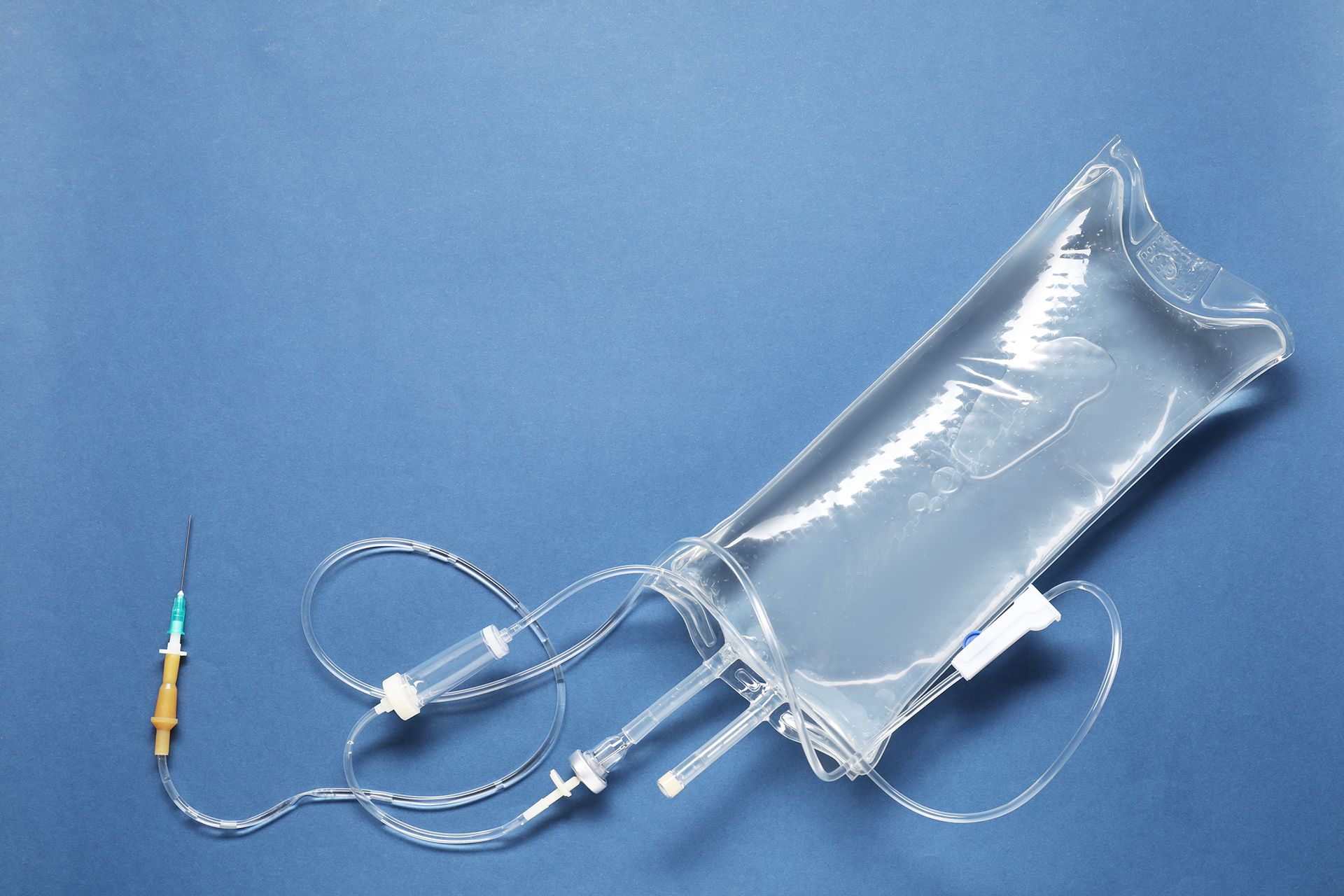
If you have been admitted to a hospital for a life-threatening condition like a heart attack or a road accident, you've probably come across an IV line. If you haven't, we'll walk you through what an IV line is and which type you may need depending on your condition.
What Is an IV?
IV stands for intravenous injection. IV therapy is the process doctors use to administer medication or vitamins to patients by placing a line directly into a vein. It consists of a tube that connects to a fluid source that flows into the vein, often regulated by a syringe or infusion set.
Patients receive IV injections for various reasons. For example, during surgery, a patient needs a constant supply of fluids to maintain blood sugar levels and hydration. This procedure is also used in life-threatening conditions to alleviate the risk of death.
There are two main delivery methods for IV therapy: IV bolus and IV push.
What's the Difference Between IV Bolus and IV Push?
Doctors decide which IV therapy to administer based on the urgency of the patient's condition. While both are effective methods of administering medication, they differ significantly in speed and application.
IV Bolus
Your doctor will recommend an IV bolus if you are not in a life-threatening condition. This therapy usually consists of a fluid bag and tube connected to a syringe and is administered slowly, taking anywhere from a few minutes to several hours depending on the condition.
Unlike a standard drip IV, where the fluid line is often wide open, doctors use an IV bolus to rapidly increase the drug concentration in the blood over a controlled period. A common use case is administering medication to diabetic patients to raise insulin concentration and combat high blood sugar levels.
IV Push
An IV push is the go-to therapy for emergency treatment. It is fast-acting, usually delivering a dose of medication in a matter of seconds by injecting it directly into the vein via a syringe. It is the preferred method for life-threatening emergencies. Common medications used with this type of therapy include Adenosine and Atropine.
When Should One Use an IV Push Over an IV Bolus?
When faced with an emergency requiring immediate attention, your doctor will use an IV push to administer medication because its ability to deliver results in seconds gives it a critical edge over the IV bolus.
Conditions requiring an IV push include:
- Heart attack
- Allergic reaction or anaphylactic shock
- Any other life-threatening condition
When Do You Need an IV Bolus?
If you are not in a critical condition requiring an IV push but need to receive drugs or fluids, doctors use an IV bolus. Conditions requiring an IV bolus include:
- Undergoing surgery
- Relieving specific symptoms
- Rehydrating after exercise
- General IV therapy
- Administering vitamins
The Bottom Line
Different IV therapies manage different conditions. Some clinics and mobile services provide at-home IV therapy sessions for non-emergency needs. For example, patients requiring regular treatment for blood sugar maintenance or vitamin deficiency often receive standard drip IV or IV bolus therapy.
Ultimately, the IV method used depends on your specific medical condition and background. The dosage depends on the severity of your needs. Always seek professional medical advice regarding IV therapies before booking an appointment.
