
IV Therapy Certification
Table of Contents

Have you heard about the beneficial effects of IV therapy and wondered how you could start a career in this growing field? If you’ve ever considered becoming an IV therapist, read on to learn more about what the job entails, necessary qualifications, average salary, and why Reset’s IV therapists are a class apart.
What is IV therapy?
IV therapy is a fast, effective way to deliver hydration and nutrients directly into the bloodstream, bypassing the gastrointestinal tract. Using a small catheter and tubing, a trained professional administers an intravenous fluid drip to treat conditions like dehydration, hangovers, nausea, and headaches, or to deliver wellness and beauty support.
What is an IV therapist?
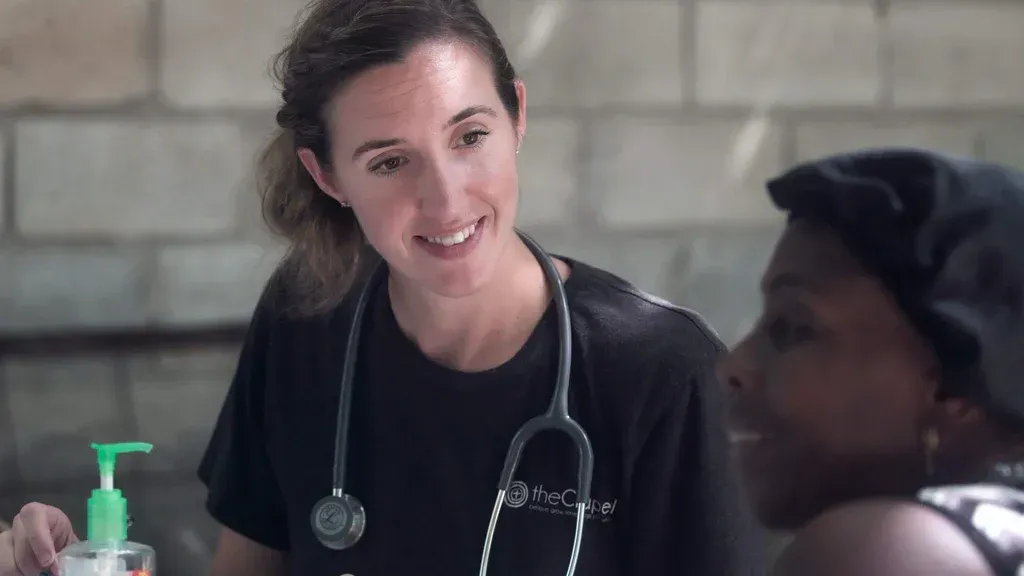
An IV therapist is responsible for monitoring the IV process, ensuring the catheter remains in place, and keeping the client comfortable while watching for any adverse reactions. IV therapists are typically experienced, licensed, and certified medical professionals, most commonly trained as professional nurses.
How does one become an IV therapist?
Becoming an IV therapist usually requires at least a two-year nursing degree (RN or LPN) from an accredited institution. After obtaining a nursing degree, therapists may complete specialized IV education training based on the regulations of the state where they practice.
IV therapy certification
Certification requirements vary by state. Some states, like California, Nevada, and Florida, mandate hands-on training, while California and Nevada specifically require the State Board of Nursing to approve the certification course. In states without strict mandates, many therapists pursue continuing education or online IV courses to meet employer requirements.
How much do IV therapists make?
In the U.S., IV therapists earn an average of approximately $53,000 annually, though this varies significantly based on experience, facility, and location. In high-demand cities, salaries can average closer to $92,000. The field is growing rapidly, with projected job growth of 25% for LPNs and 19% for RNs through 2022.
Can a phlebotomist do IV therapy?
Certified phlebotomists can transition into IV therapy with additional specialized training. This can significantly increase their earning potential. Training for allied health professionals, including EMTs, often focuses on insertion procedures, though some states may require up to 33 credits and 100 hours of clinical work.
Reset IV's IV therapists
Reset IV contracts with top-tier medical professionals who meet strict licensing and insurance standards in every state we operate. We prioritize customer care, delivering hospital-grade professionalism and safety standards in the comfort of our clients' homes or hotels.
