
IV Needle Sizes Guide
Table of Contents

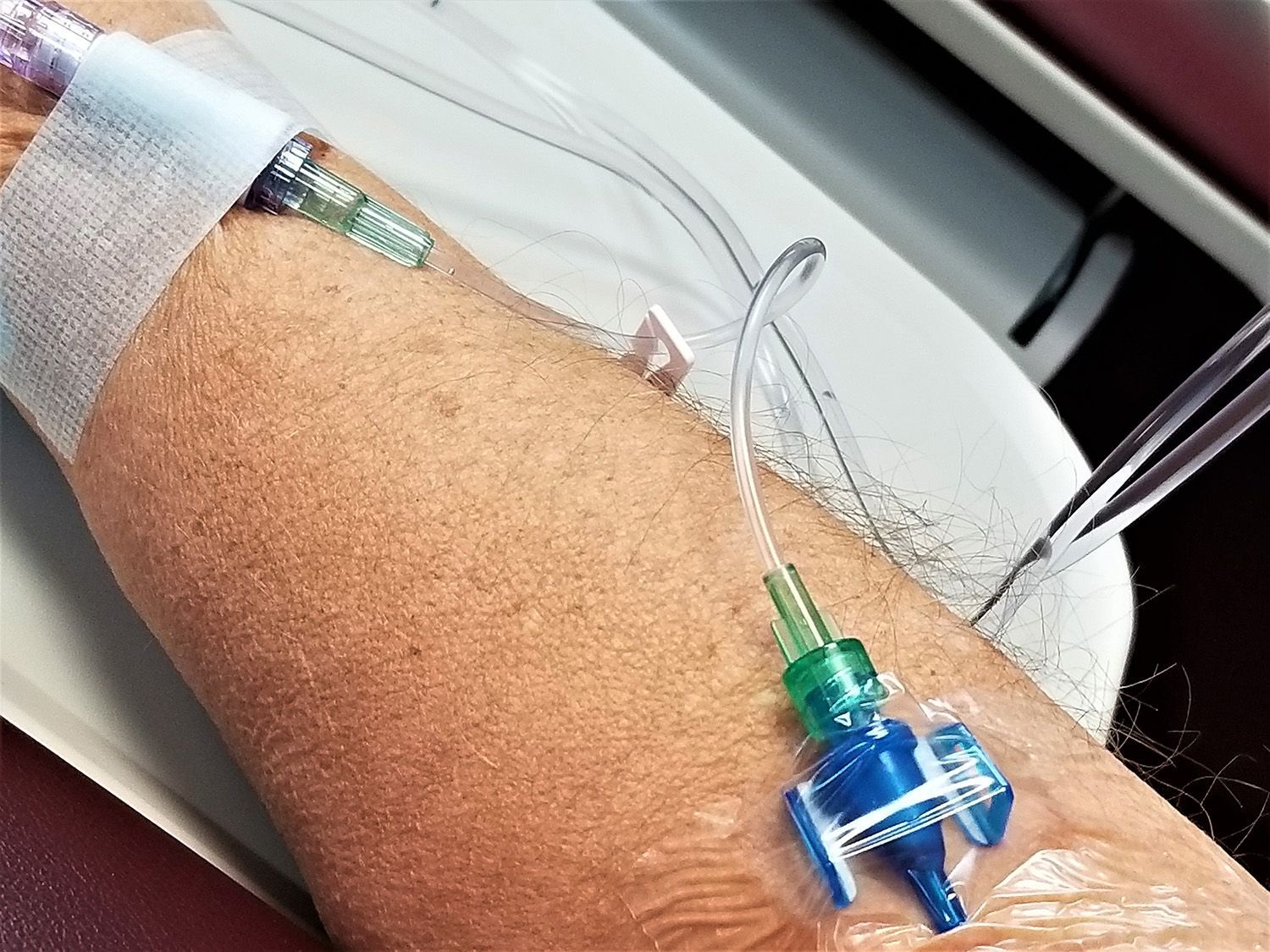
Giving a patient an IV is more complex than it appears. While inserting a needle is straightforward, selecting the correct gauge size, width, and diameter is vital for patient safety and treatment efficacy. While specific protocols vary by facility, the medical industry uses standardized measurements for IV needles.
How are IVs measured?
Medical professionals measure IVs by gauge. The relationship between the needle size and gauge is inverted: as the gauge number increases, the needle's length and diameter decrease. For example, a 14-gauge needle is significantly larger and longer than a 26-gauge needle.
Why is gauge size important?
- Fluid Volume: The volume of IV fluid needed often dictates the gauge. Larger volumes are delivered more efficiently through needles with smaller gauge numbers (wider diameters).
- Viscosity: Thicker, more viscous fluids require needles with a wider diameter (smaller gauge). Thinner fluids can be transmitted through narrow-diameter, high-gauge needles.
- Speed: In emergencies like heart attacks or blood transfusions, wider needles (lower gauge) allow for rapid medication delivery.
Standardized Gauge Sizes
- 14G: The widest available; used for surgeries and rapid blood transfusions.
- 16G: Commonly used in ICUs and surgery to quickly replace significant fluid or blood loss.
- 18G: Similar uses to 16G, including blood administration, fluid pushing, and imaging tests like CT PE protocols.
- 20G: The standard for general infusions; also used for blood transfusions when 18G is unavailable or veins are small.
- 22G: Used for routine infusions, patients with small veins, children, and older adults. Occasionally used for non-urgent blood transfusions.
- 24G: A last-resort option for adults; typically used for children, infants, and routine infusions.
- 26G: The narrowest needle; reserved for specific pediatric or infant circumstances.
Measurement Summary Table
| Color | Gauge | Diameter | Length | Flow Rate |
|---|---|---|---|---|
| Orange | 14G | 2.1 mm | 45 mm | 240 mL/min |
| Gray | 16G | 1.8 mm | 45 mm | ~180 mL/min |
| Green | 18G | 1.3 mm | 32 mm | ~90 mL/min |
| Pink | 20G | 1.1 mm | 32 mm | ~60 mL/min |
| Blue | 22G | 0.9 mm | 25 mm | ~36 mL/min |
| Yellow | 24G | 0.7 mm | 19 mm | ~20 mL/min |
| Purple | 26G | 0.6 mm | 19 mm | ~13 mL/min |
Understanding these standardized characteristics—including color coding, the inverted gauge relationship, and flow rates—is critical for making rapid, safe decisions during medical procedures. Once you master these fundamentals, IV administration becomes a precise and routine skill.
