
IV Infusion: Complete Guide
Table of Contents

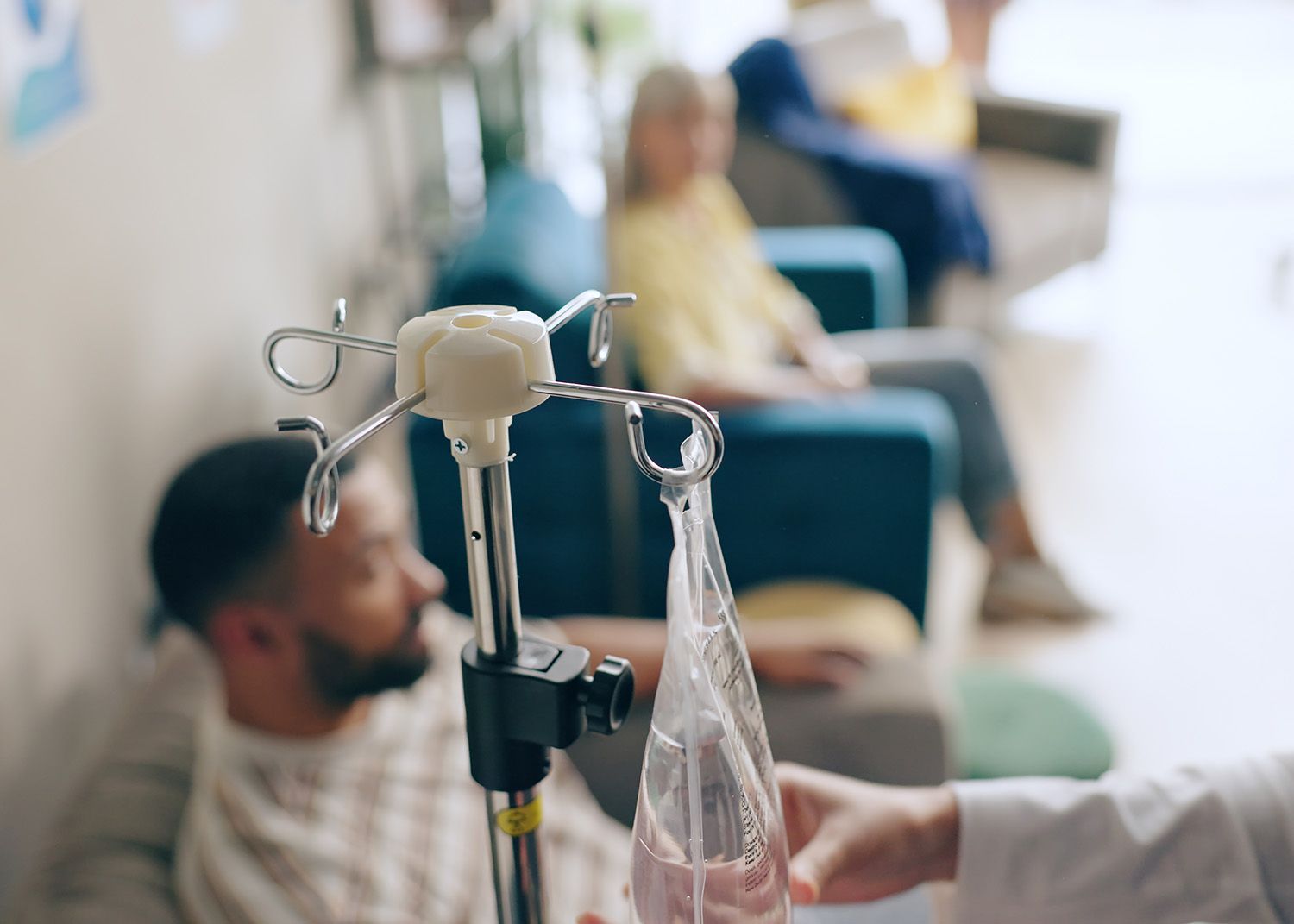
IV infusion is a way of administering vitamins, medication, and hydration to an individual. “IV” stands for “intravenous,” meaning the medication is mixed with fluid and delivered directly into the patient's bloodstream at a measured rate.
IV infusions are used for various reasons, from treating medical emergencies to simple dehydration. They can help reduce or eliminate symptoms associated with cold & flu, morning sickness, and general dehydration. There are many benefits to IV infusions, even for those who aren’t sick.
Benefits Of IV Infusion
There are significant benefits to an IV infusion over other methods of medication or hydration administration. It is fast-acting, contributes to overall health and wellness, and delivers nutrients at a far higher rate of absorption than conventional vitamins or supplements.
By bypassing the digestive process, nutrients are delivered in their most potent form to where they are needed most. IV infusions are effective for recovery after intense athletic performance, training, or injury, as components can be adjusted to include vitamins, minerals, and amino acids for muscle tissue reconstruction.
They are also one of the most effective hangover remedies. Hydration and electrolyte replacement can help you bounce back quickly after over-indulging. For those with difficulty absorbing nutrients through traditional methods, IV infusion is a simple, effective way to prevent nutritional deficiencies.
The Process
The process begins with a licensed and certified nurse cleaning and sterilizing the injection site. A small catheter is inserted into a vein—usually in the arm—using a special needle. Once the catheter is placed, the needle is removed. The catheter attaches to an IV drip line, ensuring the solution enters the body at a controlled dosage. Once finished, the bag is disconnected, and the catheter is gently removed.
How Long Does It Take To Receive An Infusion?
While every individual is different, the standard IV infusion process usually takes less than 60 minutes. This includes a setup period of a few minutes, with the infusion itself often finishing in about 30 minutes.
What Is In An IV?
Components vary based on treatment needs, but common ingredients include:
- Saline: A medical-grade hydration solution of water and sodium chloride. It is the perfect vehicle for delivering vitamins and nutrients and is highly effective at fixing the dehydration associated with hangovers.
- Dextrose: A type of sugar used to modulate low blood sugar levels and provide the body with a source of energy.
- Vitamin B Complex: Includes vitamins B1, B2, B3, B5, B6, B9, and B12. These are essential for metabolism and nerve function, especially for those who struggle to absorb vitamins through digestion.
- Vitamin C: Essential for immune system response; can be taken in large doses to supercharge the immune system against infection.
- Magnesium & Other Electrolytes: Mineral salts like potassium, calcium, bicarbonate, chloride, and phosphate are crucial for heart function, blood pressure, and preventing muscle cramping or migraines.
- Antibiotics: In medical emergencies, IV administration is the most practical way to administer large quantities of antibiotics effectively over time.
Is An IV Safe?
Getting an IV is incredibly safe and based on centuries of medical training. The procedure is simple and non-invasive. Risks of injury or infection are minimized when performed by a registered nurse, nurse practitioner, or other qualified healthcare professional.
Side Effects Of IV Therapy
Side effects are minimal and generally gentle. They may include:
- Itching or general discomfort at the injection site.
- Slight to moderate bruising, redness, or inflammation near the location of the IV.
Allergic reactions to IV components are incredibly rare, especially when the procedure is performed by qualified personnel.
How Often Should One Get An IV Infusion?
The general guideline is 1 to 2 IV infusions per month (every 2 to 4 weeks). If you feel under the weather, you can get one sooner. IV infusions can be enjoyed with relative frequency with very few ill effects.
